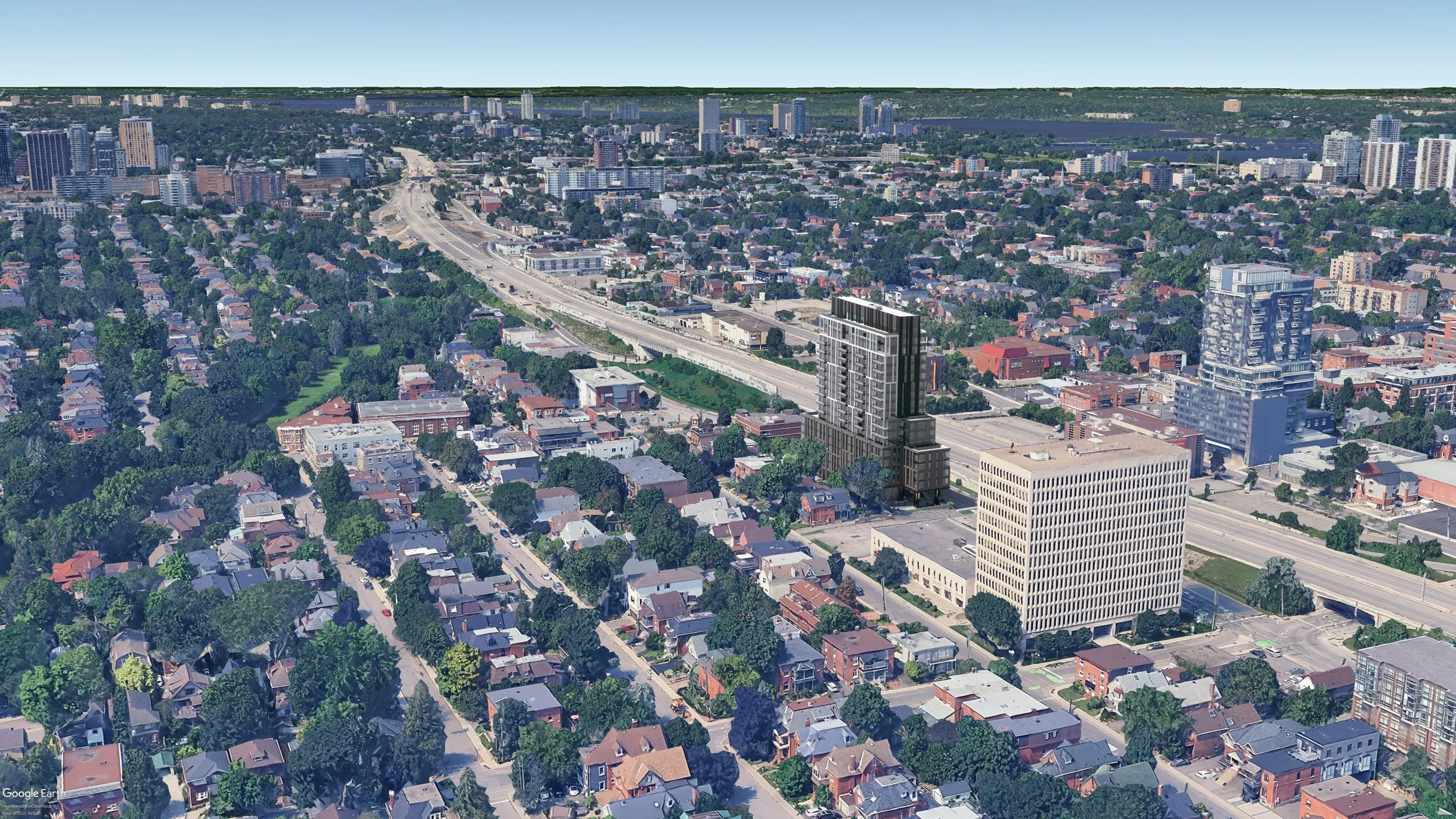
200 ISABELLA
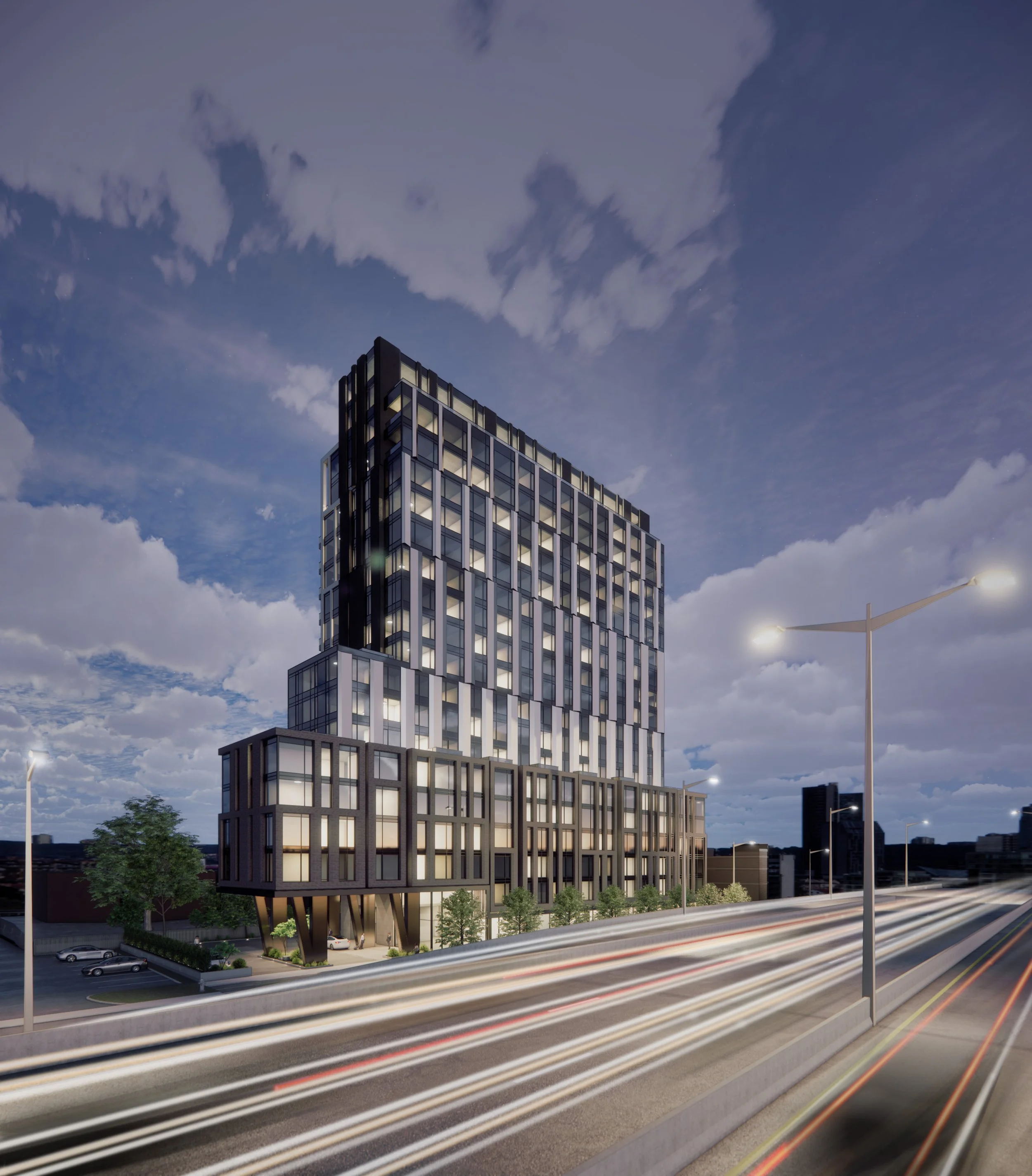
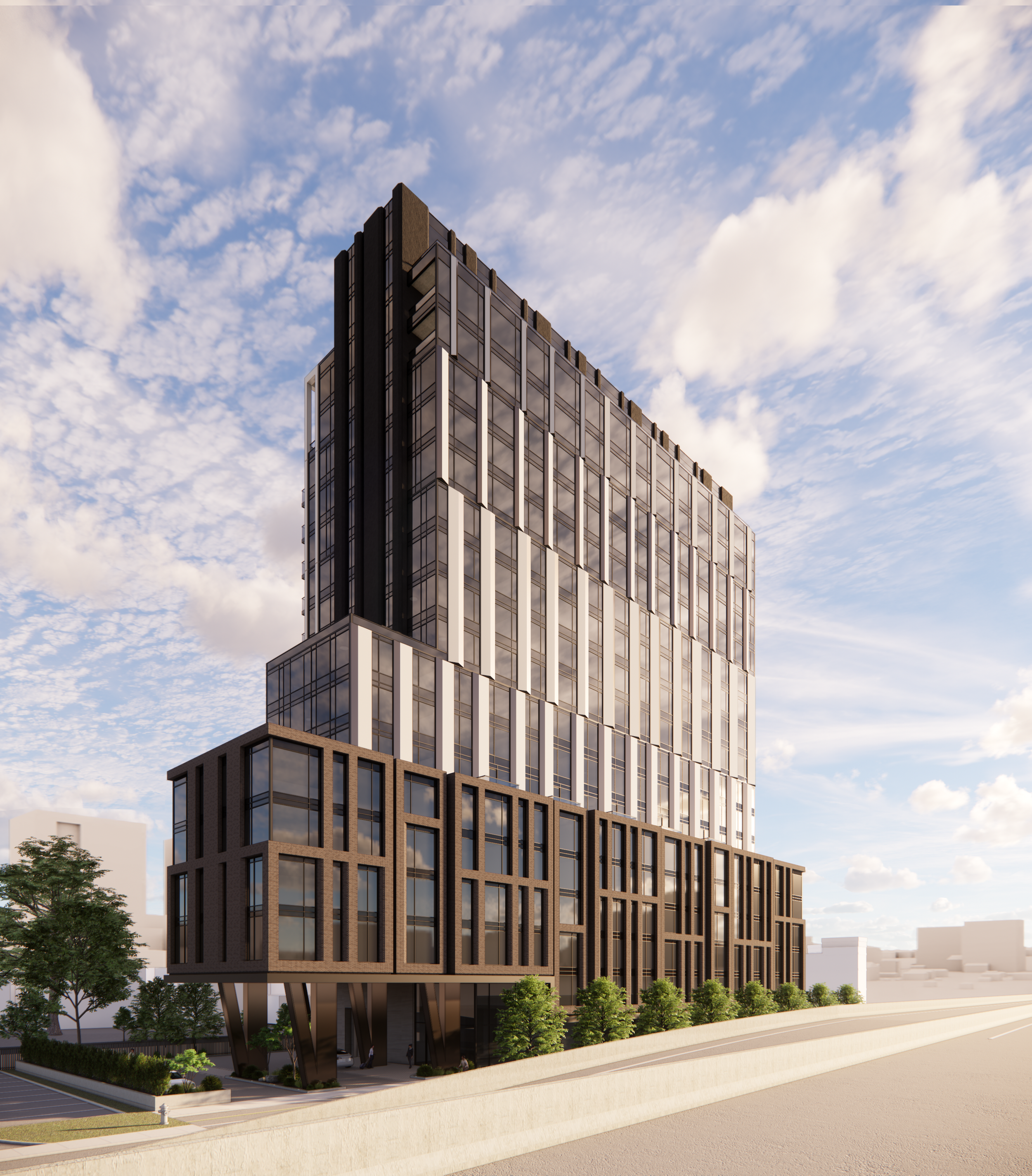
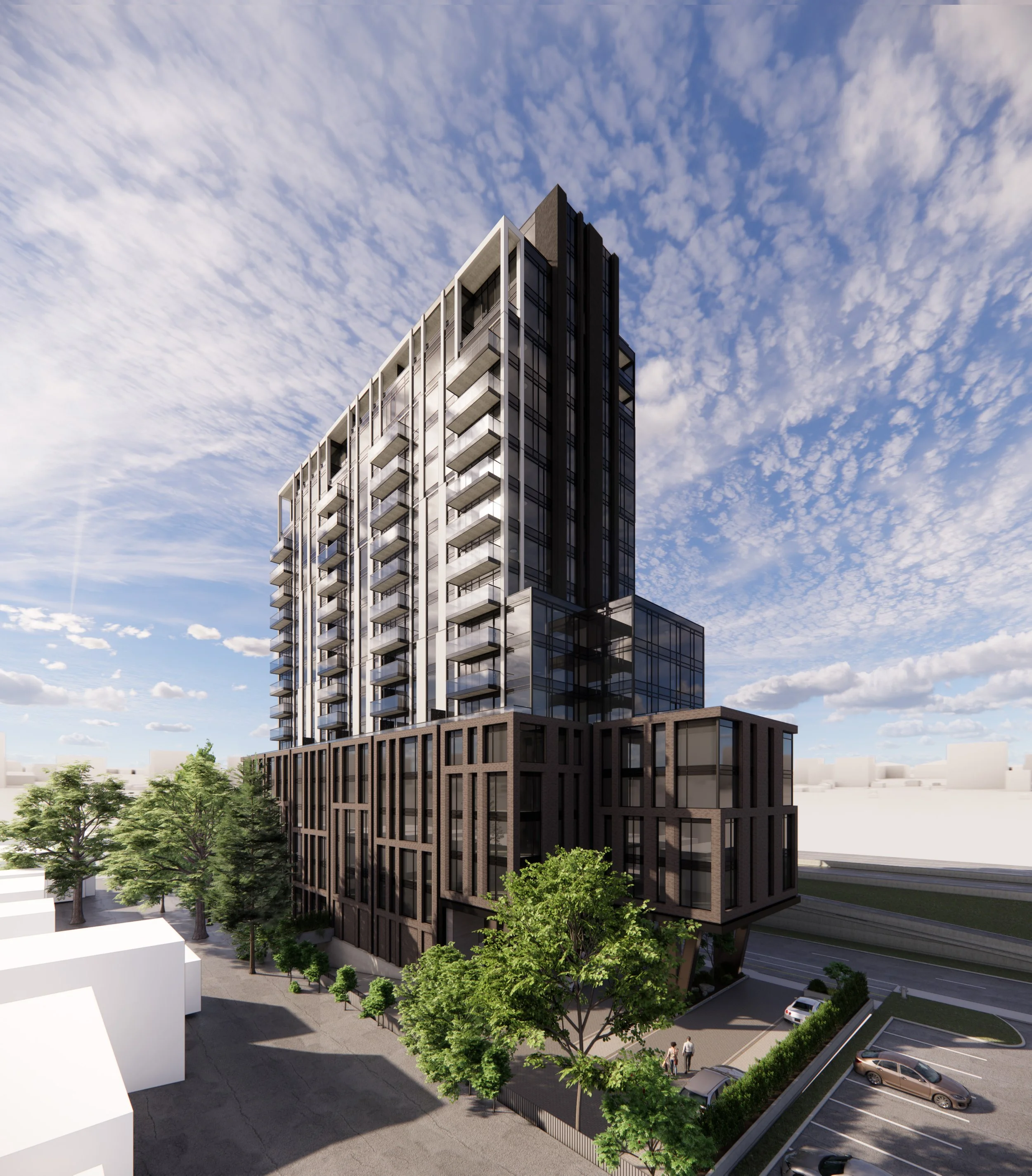
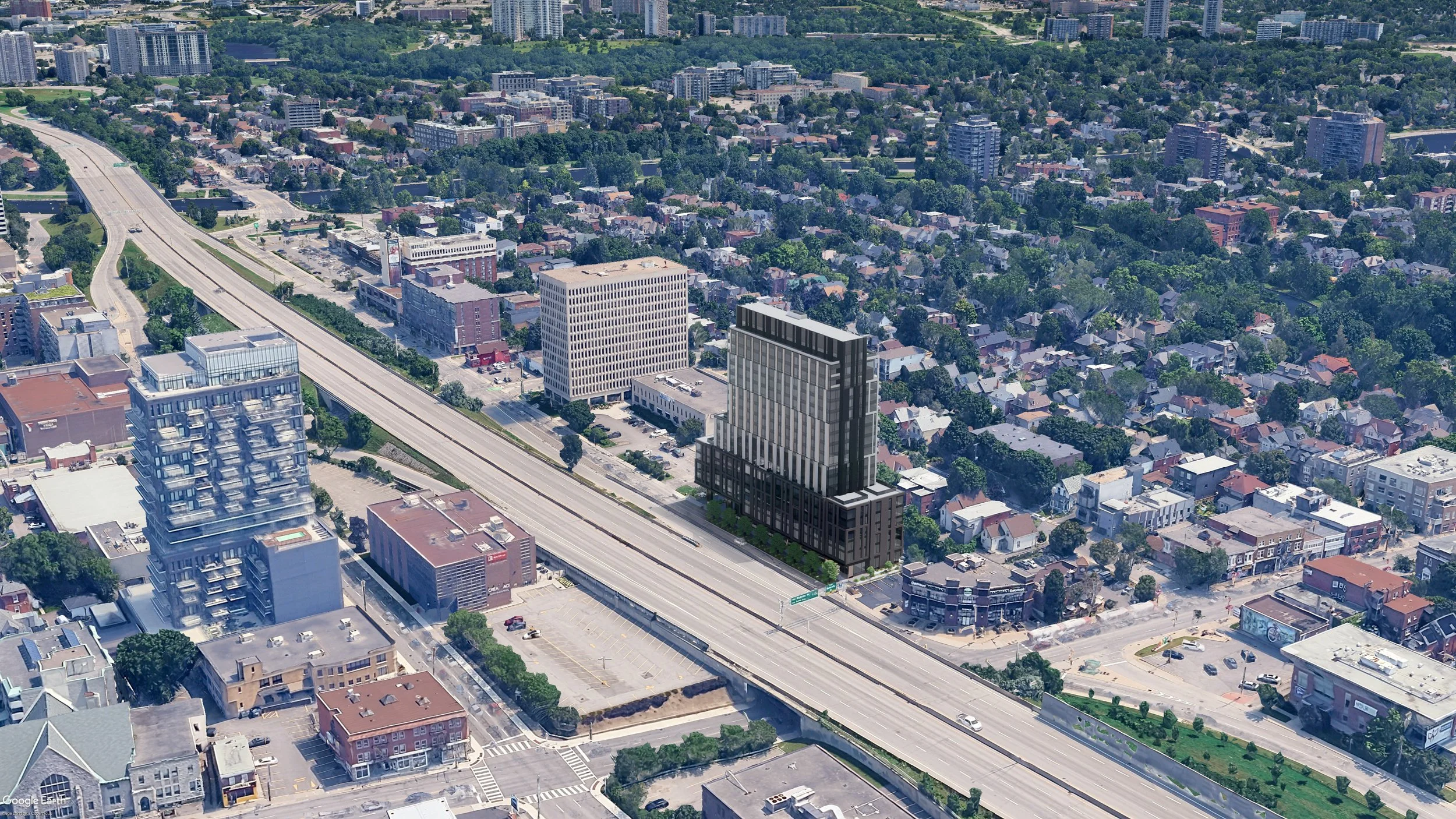
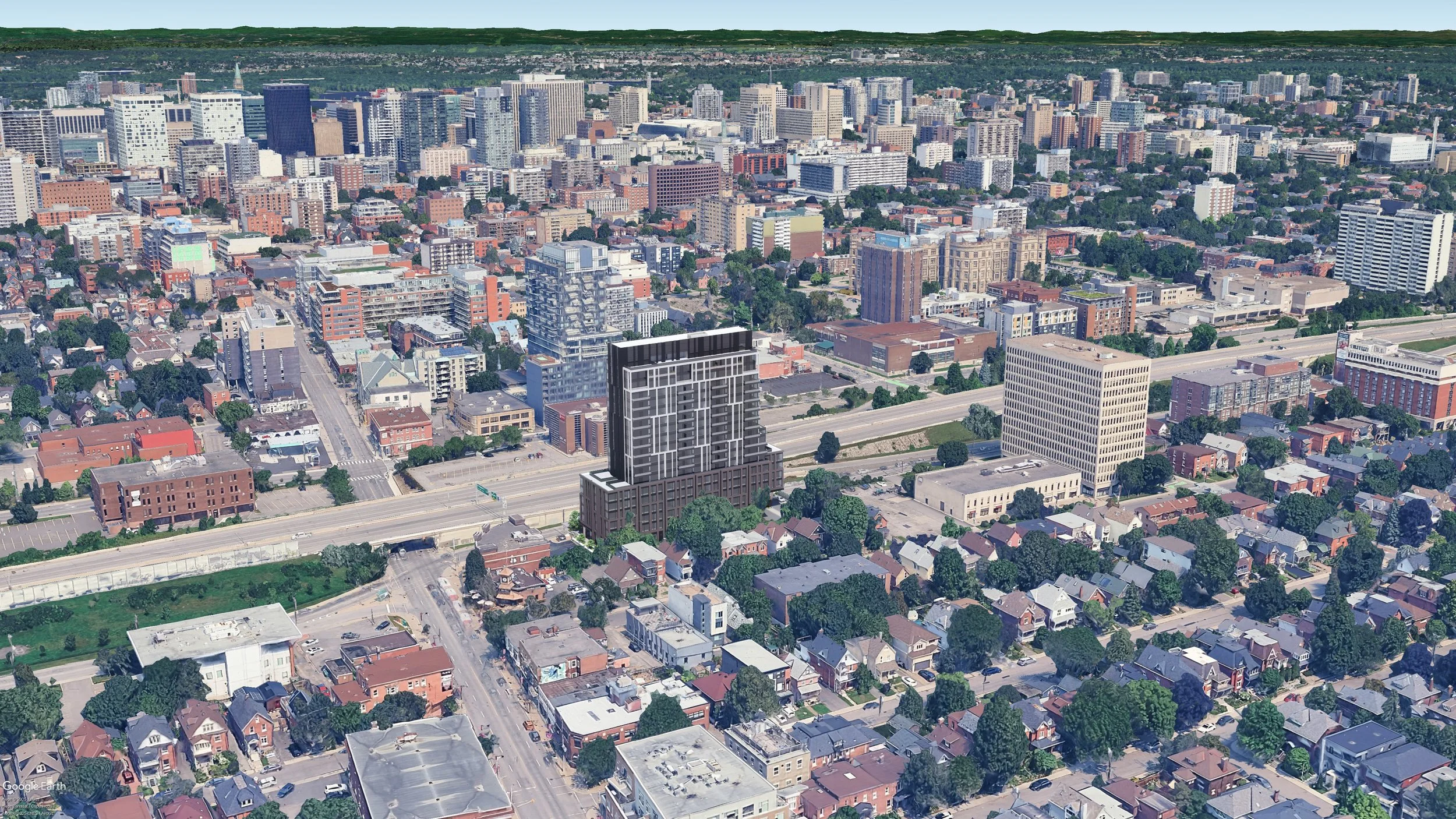
// The site at 200 Isabella is challenging. It fronts onto a bleak pedestrian setting which includes both a major arterial road and a raised 400 series highway. That said, where there are challenges, we see opportunities. The project offers a response to three main elements, the pedestrian realm, the north side of the building which faces the highway, and the south side of the building which offers views over the Glebe and the Rideau Canal.
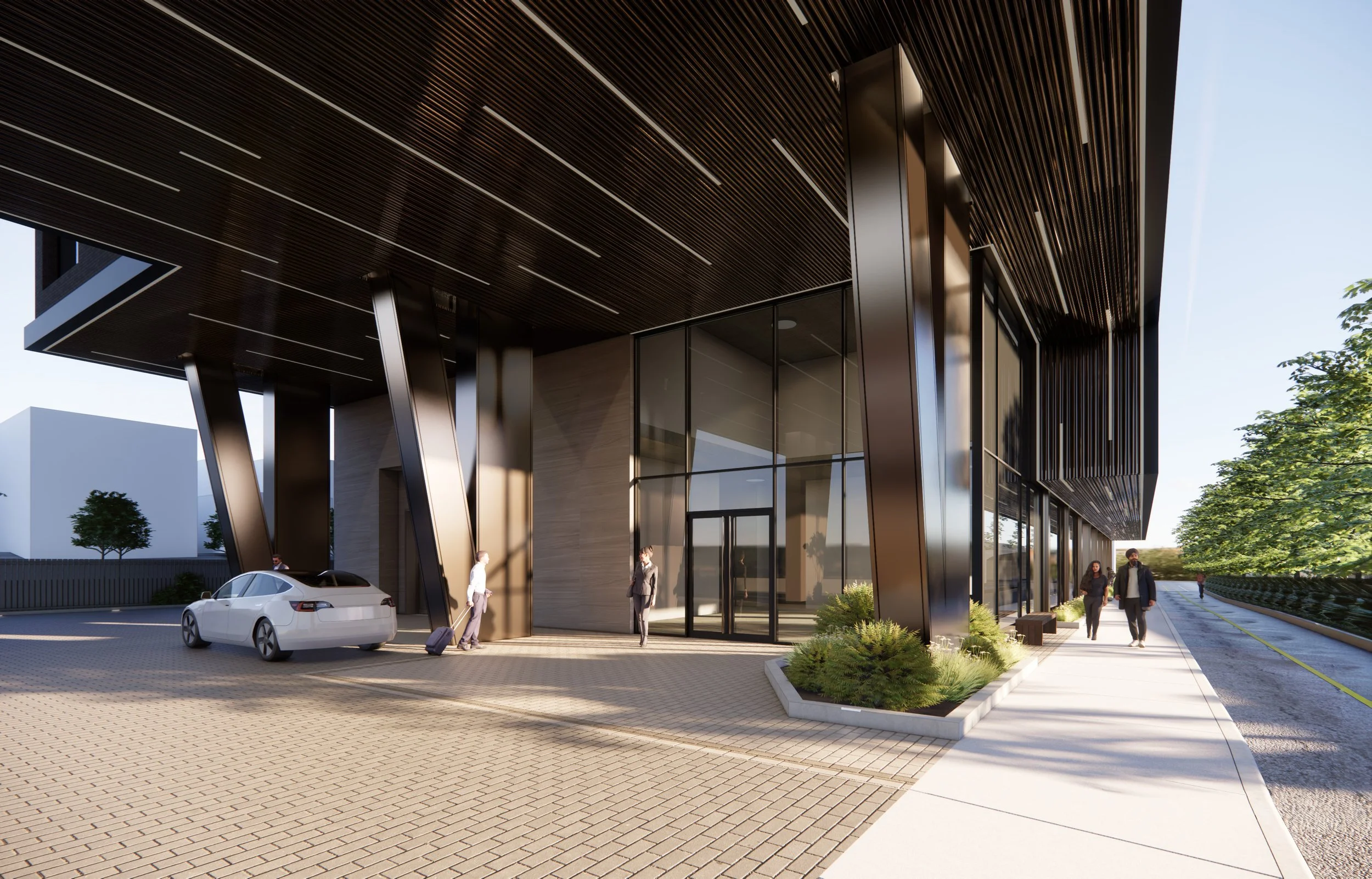
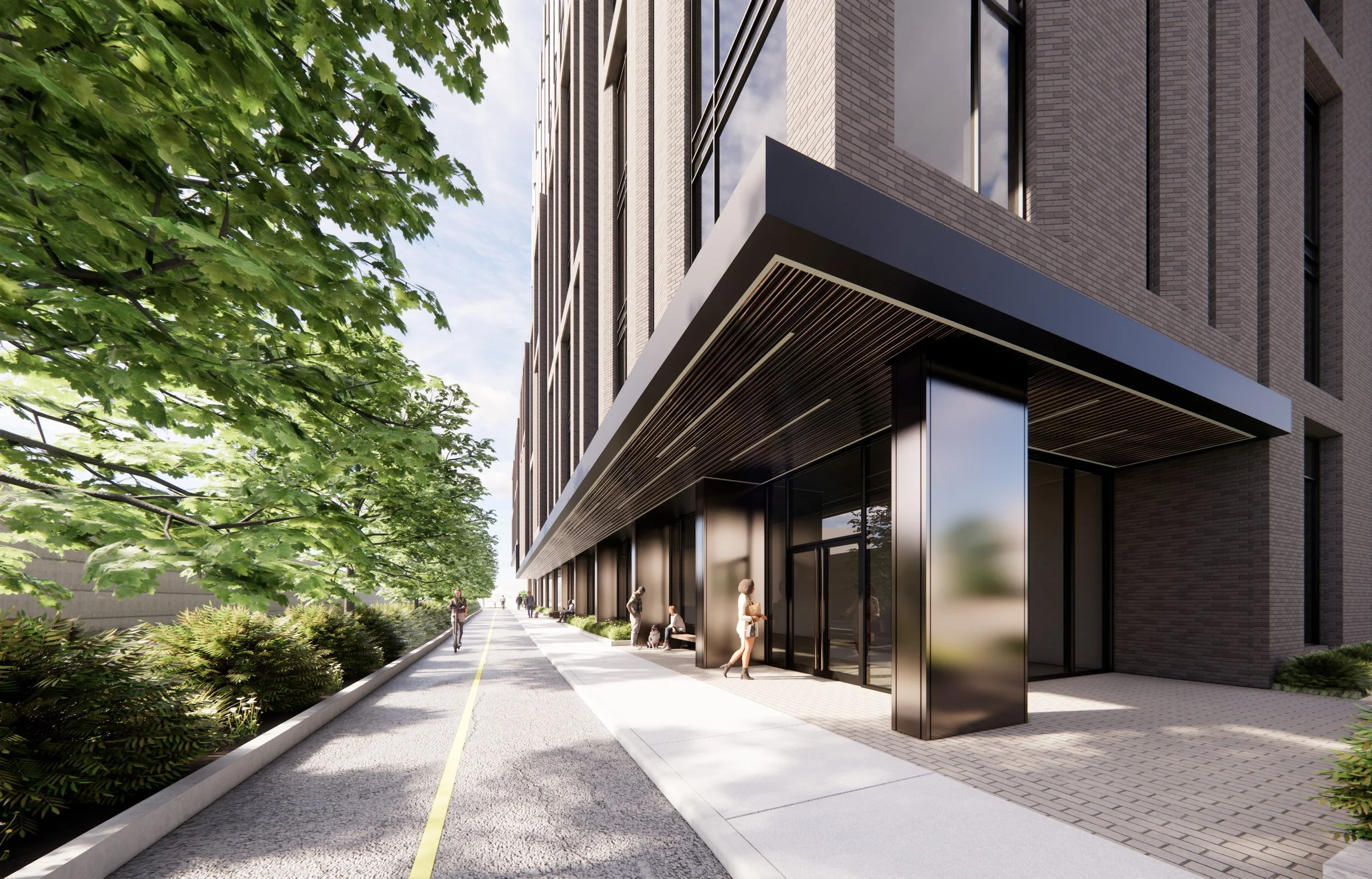
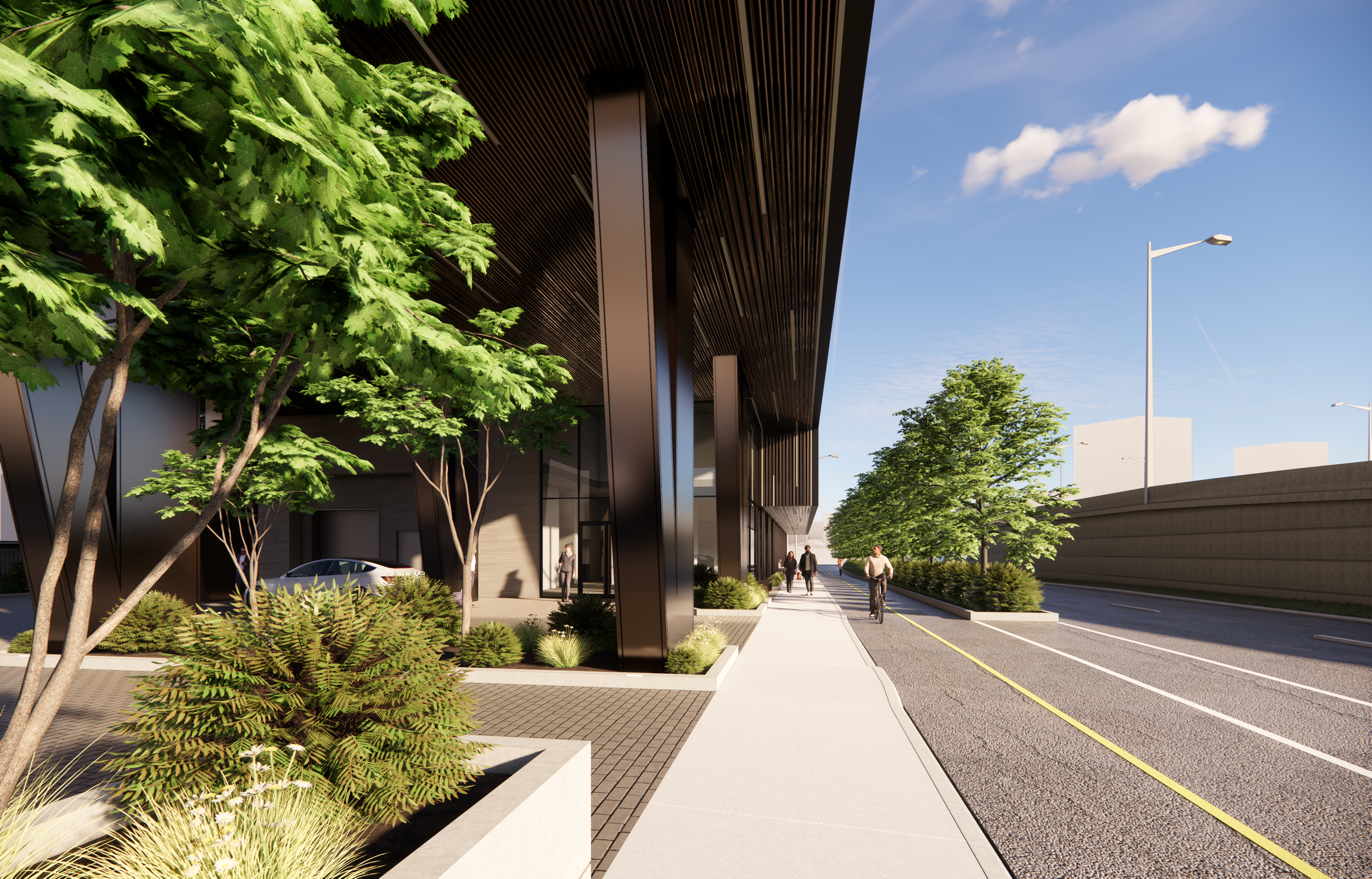
The pedestrian realm is an immediate challenge where the intent is to take what is currently a hostile pedestrian environment and to transform it into an engaging and welcoming pedestrian realm.
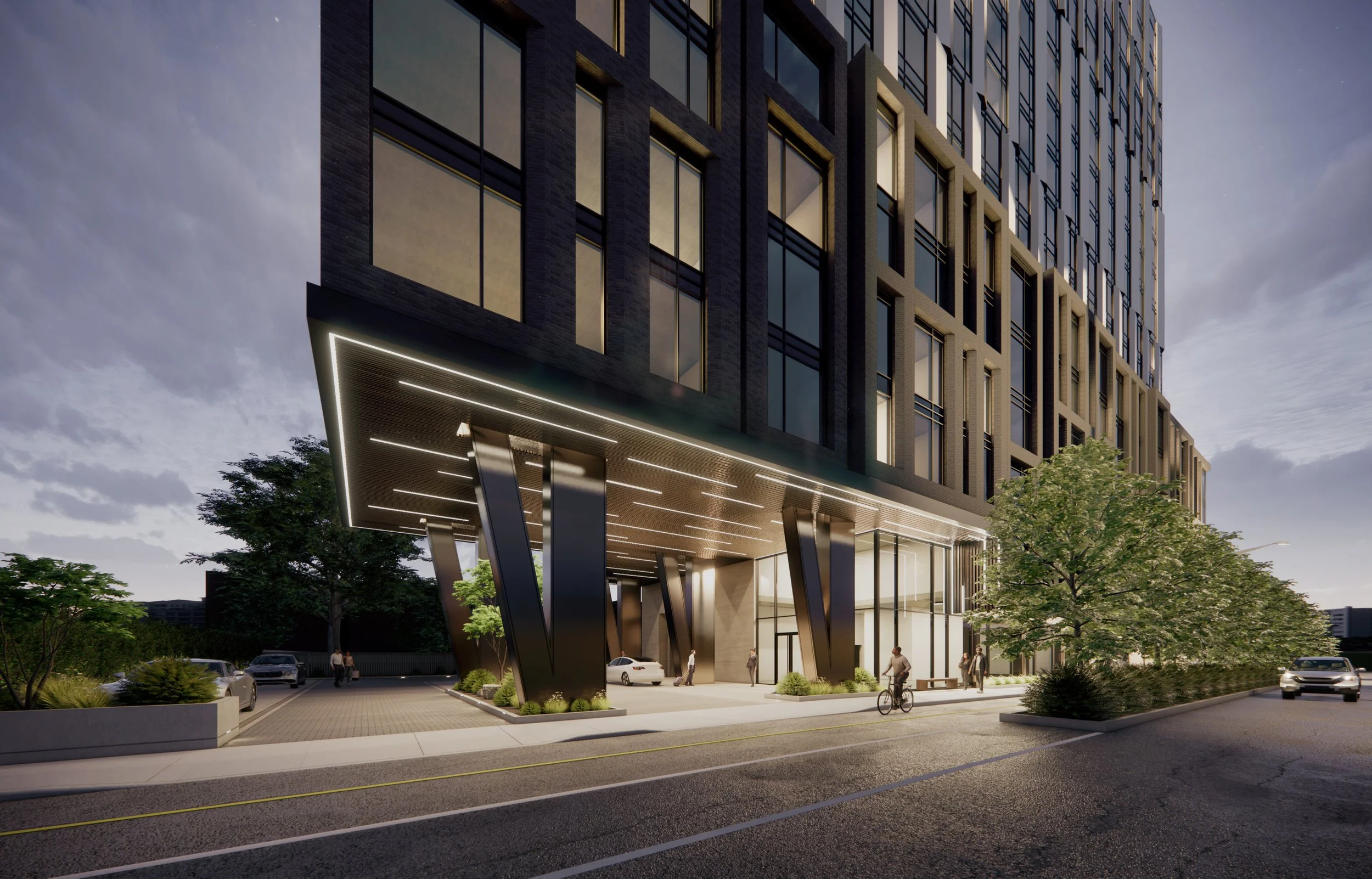
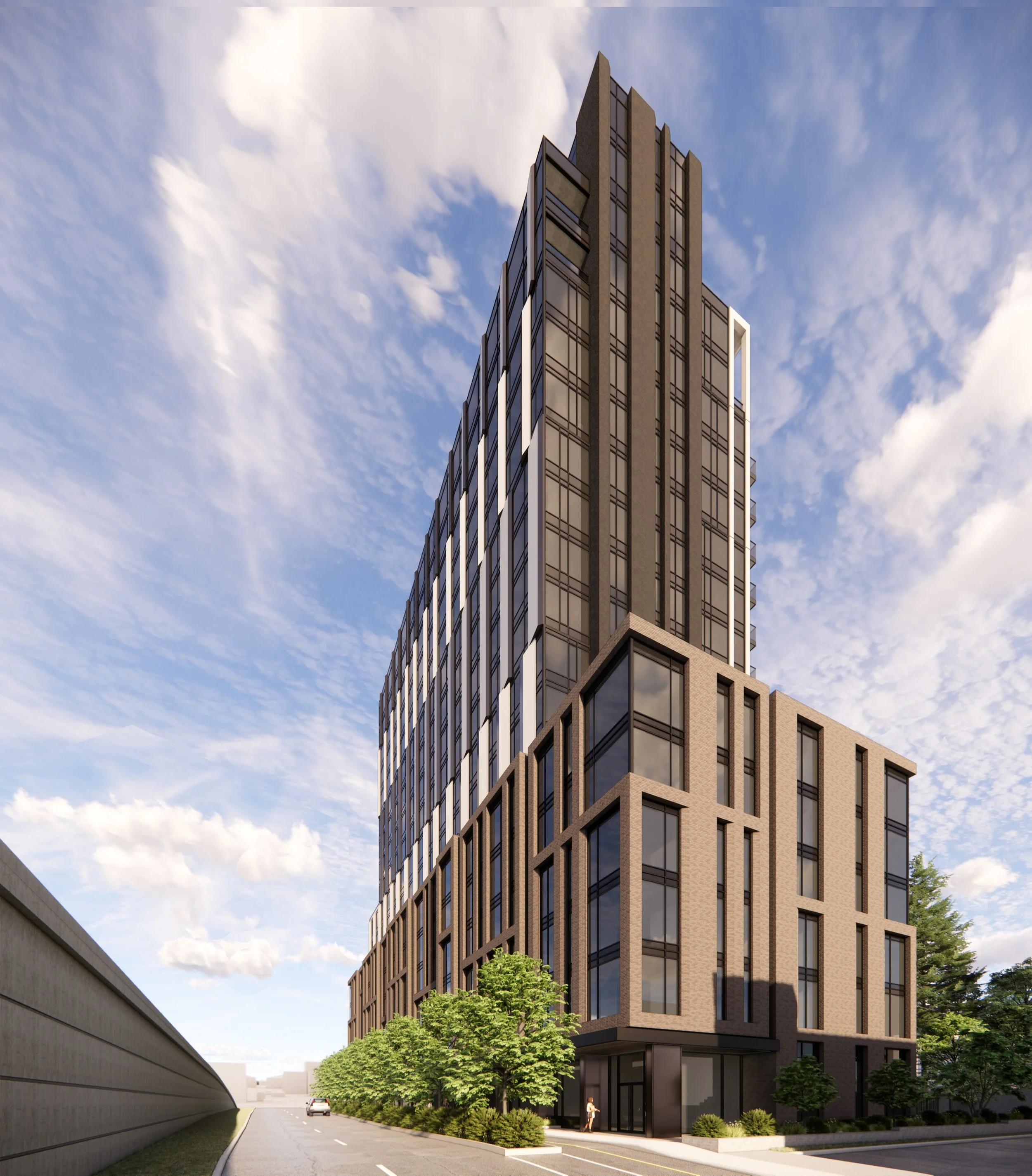
The ground floor of the building will offer a highly glazed ground floor expression that offers views and connection with the adjacent pedestrian realm. In addition to this we have angled the wall of the ground floor away from the sidewalk as it moves to the west, offering more breathing room and allowing for the creation of a west entrance into the building.
On the east side of the building, the vehicular entrance has been imagined in a way that creates spaces for both people and vehicles. The separate entrance and exit pathways offers enough space for planters and a woonerf feel for the space. Pedestrians will have enough room to comfortably move around the area, while vehicles understand that they are in borrowed space but still have access to underground parking and loading facilities.
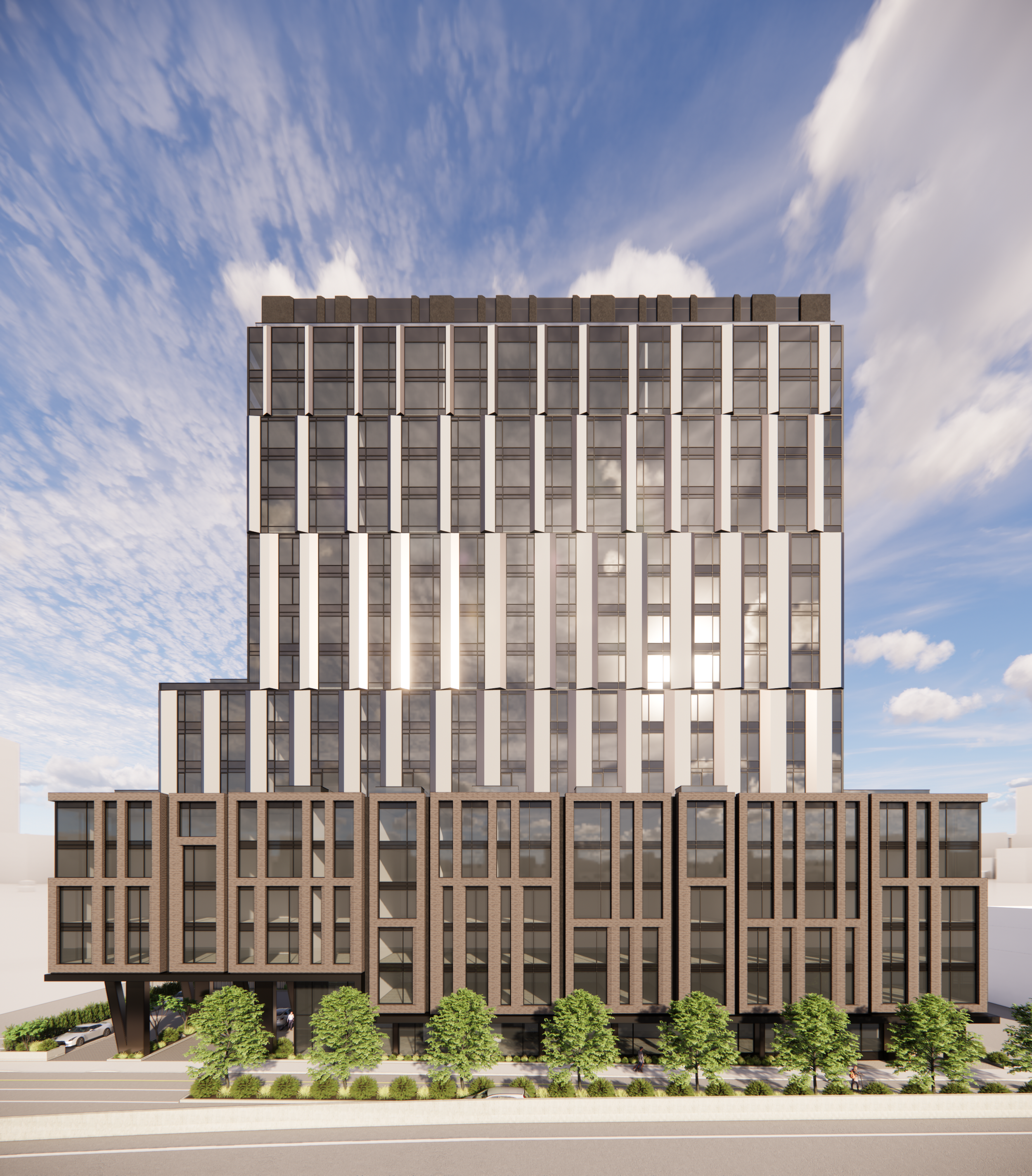
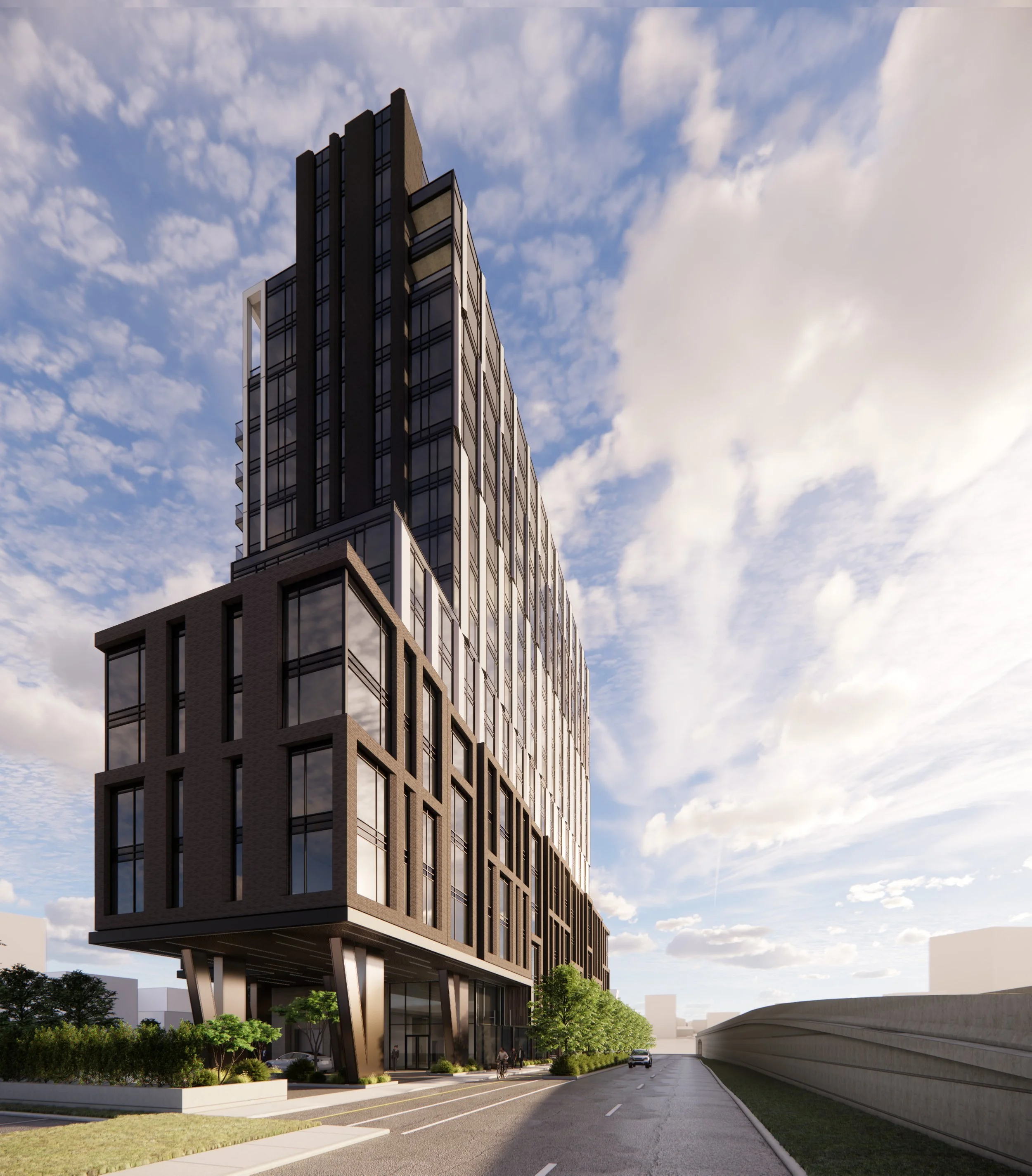
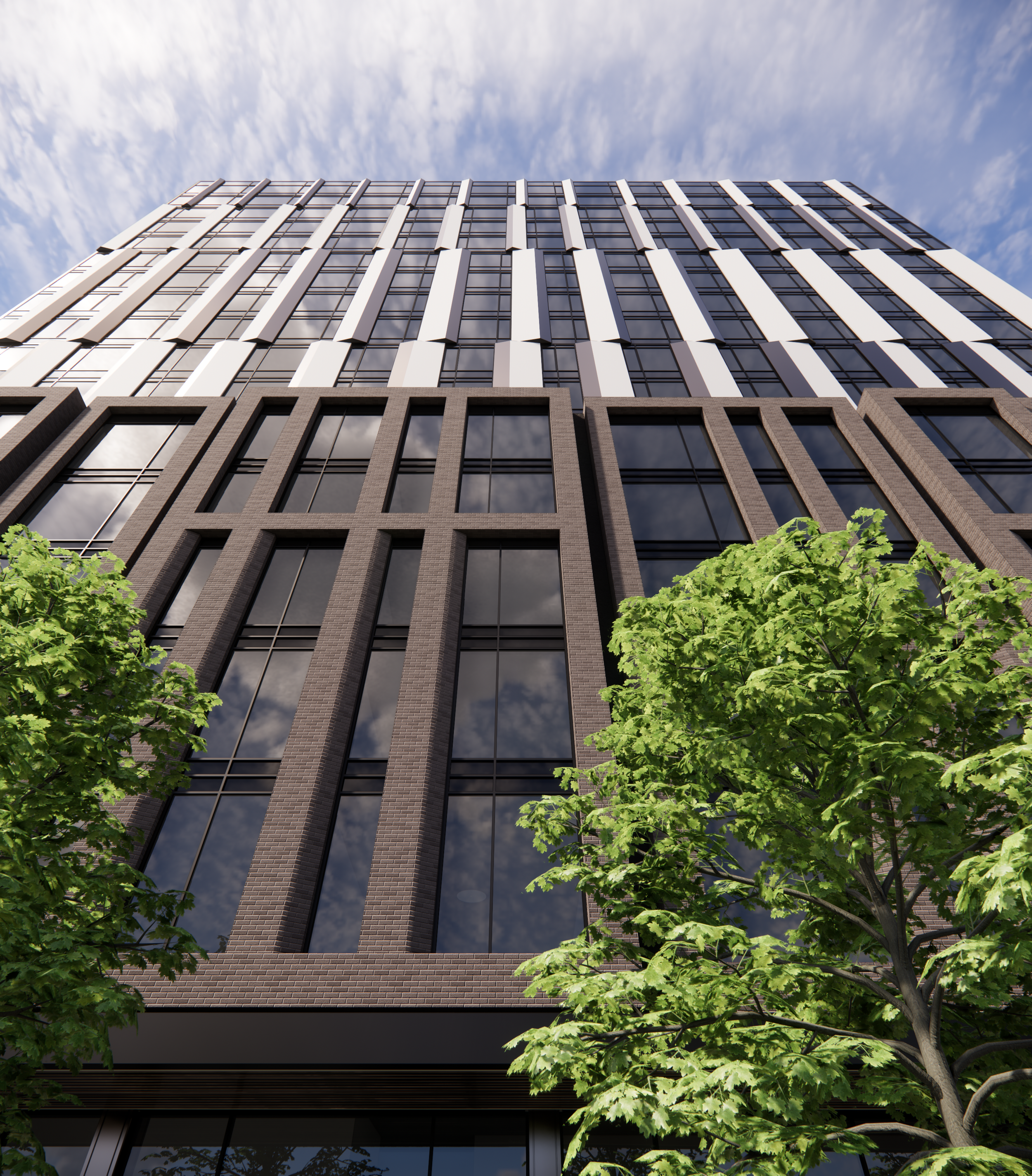
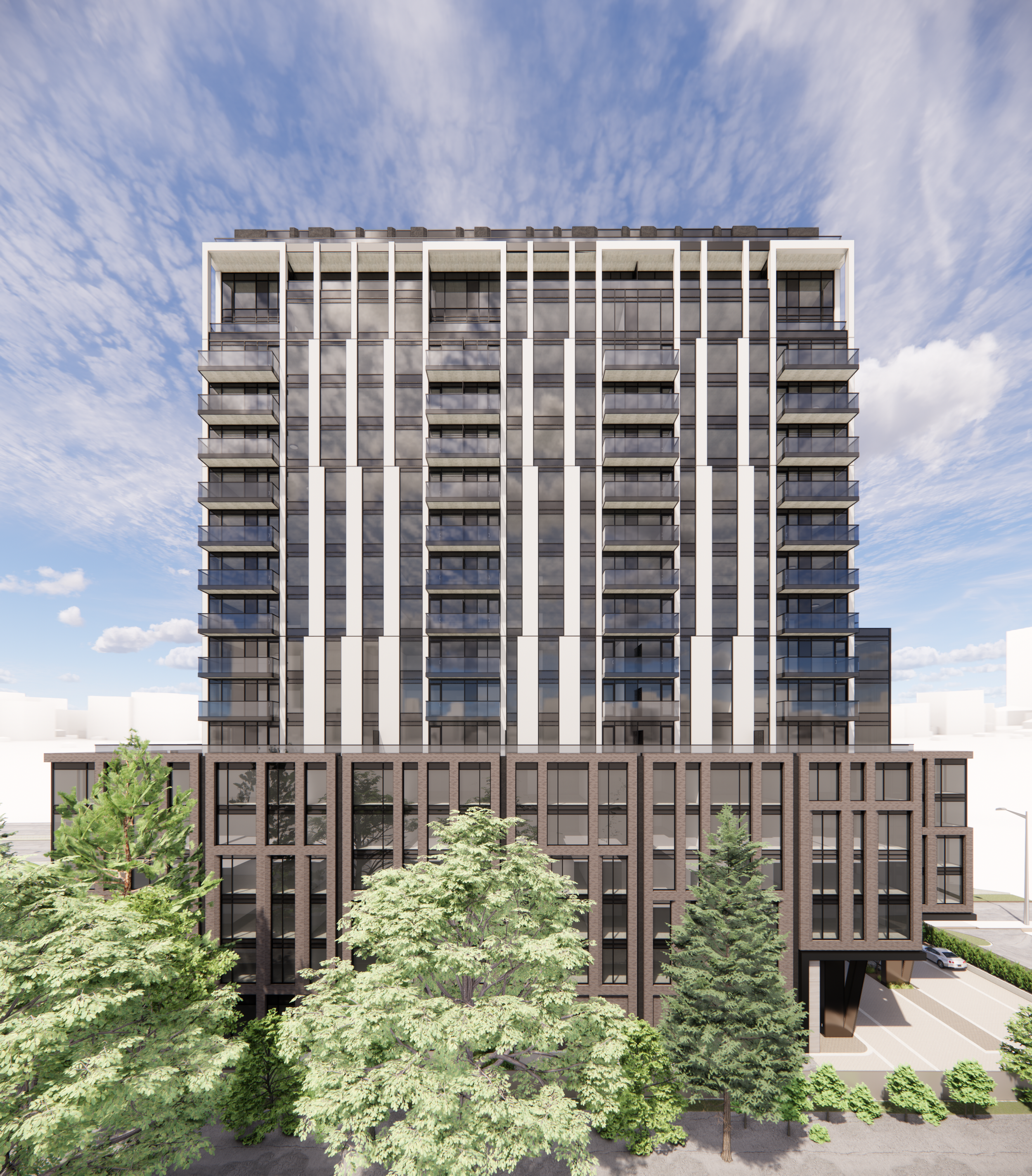
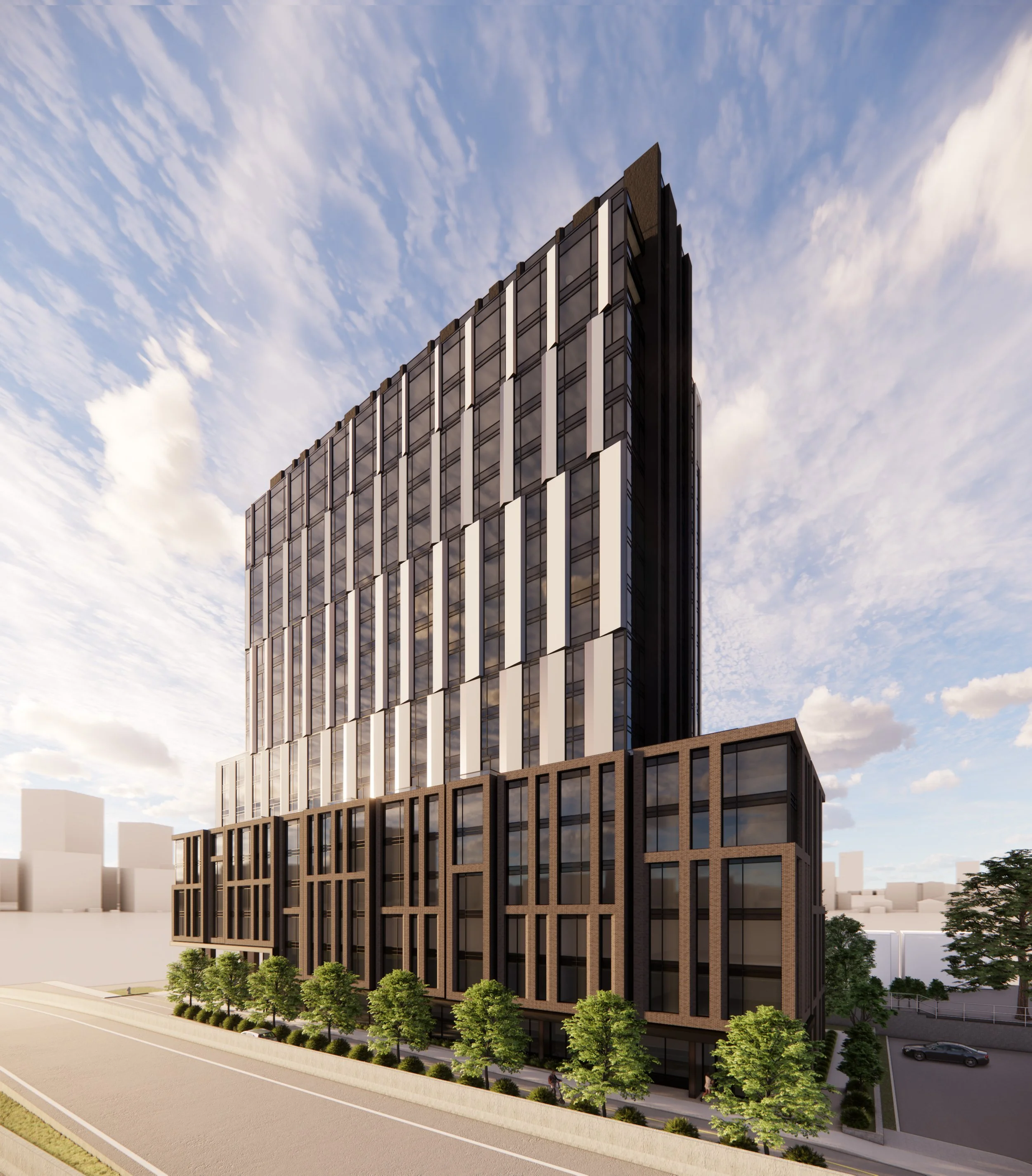
The podium levels separate the ground plane from the tower above. The brick cladding offers a nod to the primary cladding material found in the majority of the houses in the Glebe and creates a mass on which the tower is situated. Given the length of the podium it was important to offer expressive articulation and architectural treatment in order to reduce the impact of its mass.
The podium is divided vertically into a series of blocks, again making reference to the houses in the neighborhood to the south, and each of these blocks alternates and sits slightly closer or further away from the property line.
The tower levels of the north side were designed with cars in mind. Understanding the proximity of the site to the highway, and the fact that most people will experience this project from their cars made it important to us that the building respond to this condition and that it feels different for people travelling east bound versus west bound. This is achieved by using a panel system with an angled expression that staggers back and forth as it climbs the building. The angle of the panels change as they move across the elevation with the angled portion having a different colour and finish. This vocabulary is flipped and made narrower every few floors, allowing the building to feel lighter and more reflective as it climbs.
On the south side of the tower, we have a completely different experience to the north side. Noise and traffic is replaced with quiet and views over the Glebe and the canal. Architecturally, the angled panel expression is flattened and expressed as a frame, with vertical elements staggering at the same levels as those on the north side of the tower. Also different is the use of projecting balconies to offer a more residential feel to the building and to offer residents more opportunity to experience southerly views.
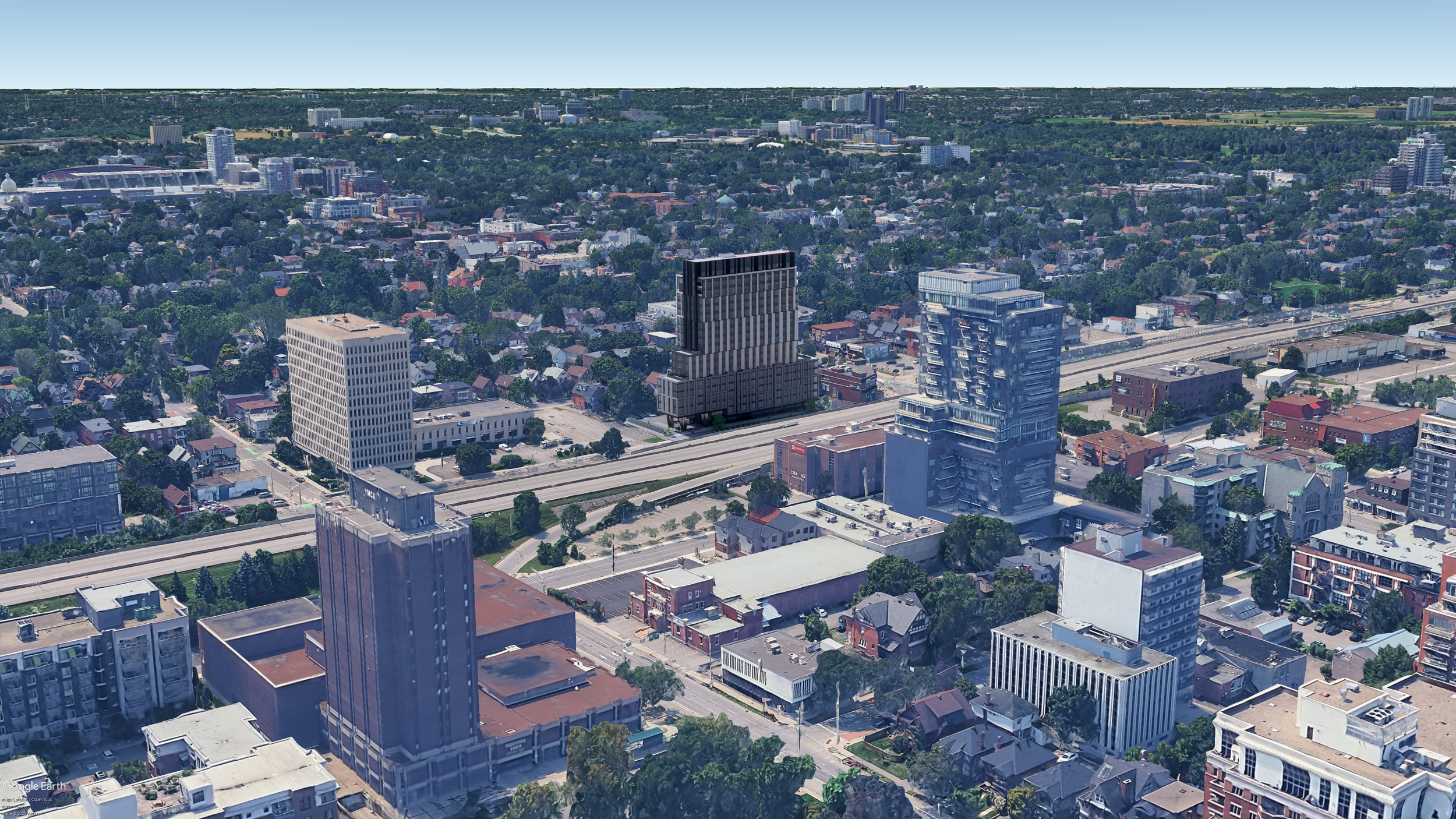
Through careful consideration for the site and a deep understanding of its context, this project effectively responds to the challenges and constraints of the site. The design re-considers what are typically seen as hostile pedestrian environments and fosters an engaging public realm. The project makes a gesture towards major infrastructure in a playful way and as a result the building and skyline are made better because of it. This is a sophisticated design that provides a clear expression to a highly complex site.